
-


-
 PRINT THIS PAGE
 - Turnkey
- Consultancy
- Construction
- Pool Filtration
- Pool Ozonation
- Pool Ultra Violet
- Pool Fittings
Pool Water Chemistry
Pool Safety
Pool Acts
Swimming Pool Water Treatment Specialist
Swimming pool water is contaminated by swimmers and environmental pollutants, which are in suspended & dissolved state: Swimming pool water has therefore to be treated continually, to make it safe for swimmers.
Water disinfection is one of the key treatment steps for all types of swimming pools, either public or private. Efficient pool water disinfection is essential for public pools. Swimming pool water is contaminated by swimmers & environment pollutants. Swimming pool pollutants can be divided up into three groups: microorganisms, undissolved pollutants & dissolved pollutant.
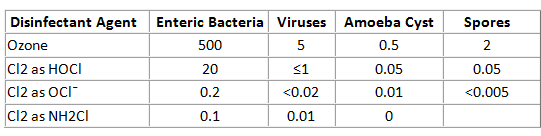
For many years, chlorine or bromine based chemicals have been the standard disinfectants used in swimming pool water treatment. However, studies have proven that the use of these chemicals can have public health consequences due to the formation of reaction byproducts, mainly chlorinated organic compounds and chloramines. Chloramines are responsible for eye, ear and throat irritation as well as the presence of strong €œchlorine€� odour.Certain viruses, amoebae and cysts are also not inactivated at the chemical levels normally used for pool water treatment.
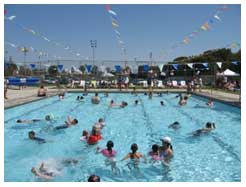
Applications of Ozonation:-
• Hotels Pool
• Spas
• Public/Commercial Pool
• Water Park
• Residential Pool
• Sports Club
Ozonation in Swimming Pool :
Ozone treatment is designed to meet the bacterial & viral disinfection, reduction in residual chlorine demand and marinating water clarity and healthy swimming water.
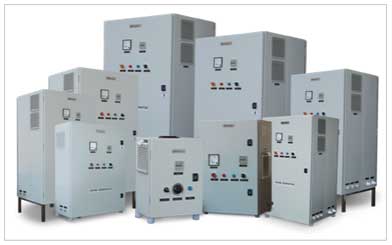 Role of Ozone :
• Elimination of red, irritated eyes and dry, itchy skin.
• No formation of dangerous by-products.
• Removing unpleasant chlorine / chloramines odors.
• Reducing constant purchasing of harmful chemicals.
• Ozone has a micro-flocculation property.
• Improving water clarity.
• Keeping healthy pool water.
 |
|
|
| Swimming Pool Design & Execution |
Model Range - Pool Ozonation |
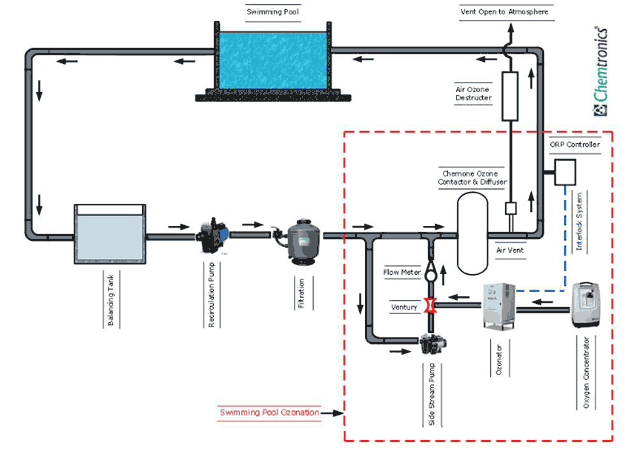
Swimming Pool Ozonation |